
A career-oriented activity on the Common App is any extracurricular, job, or project that shows sustained interest in a specific field or long-term goal. Colleges use these activities to understand how you explore interests outside class, not to see whether you’ve already locked in a career.
In simple terms, it answers one question admissions officers quietly ask: does this student follow through on what they care about?
Career-oriented does not mean professional-level, paid, or perfect. It means intentional.
Facts that clear up confusion
| What it means | What it does not mean |
|---|---|
| Shows interest in a field over time | Choosing a job just for money |
| Includes clubs, projects, volunteering, or work | Only internships or paid roles |
| Can change or evolve | Locking into one career forever |
| Values depth and learning | Listing random activities |
This matters because many students mislabel activities or leave strong experiences off their application simply because they misunderstand the term.
What does career-oriented mean in Common App language?
Career-oriented means your activity connects to a skill, subject, or field you’ve explored with purpose. That purpose can be curiosity, learning, service, or skill-building. It does not require certainty.
A calm truth colleges agree on: exploration beats early perfection.
Admissions readers don’t expect a 17-year-old to know their life path. They want to see how you test interests in real settings. One sustained activity tells them more than five scattered ones.
Here’s a sentence admissions officers regularly agree with:
Career-oriented activities signal direction, not decisions.
What counts as an activity on the Common App?
The Common App defines activities broadly, and that works in your favor.
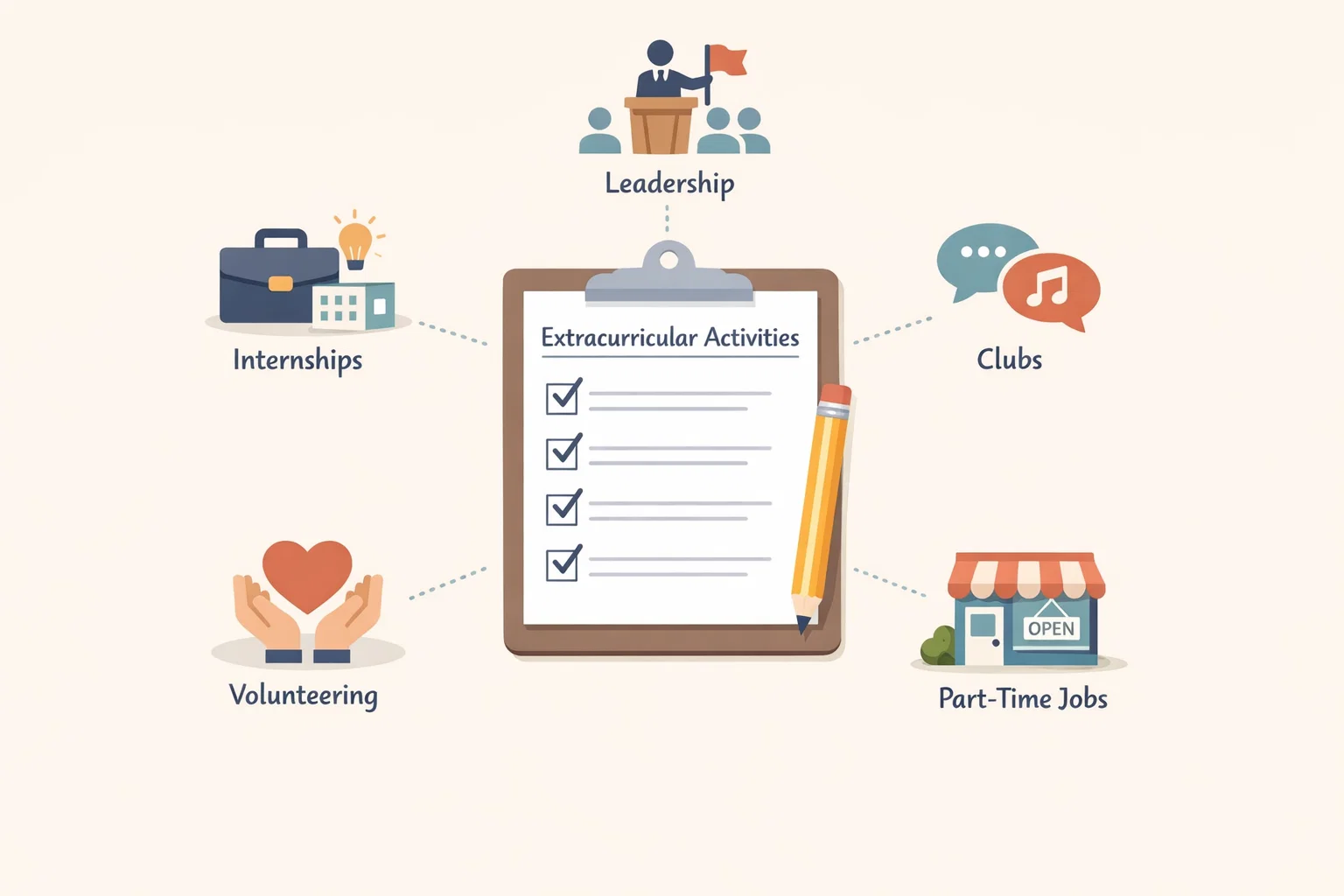
What counts:
- Clubs and student organizations
- Part-time jobs and paid work
- Internships and job shadowing
- Volunteering and community service
- Independent projects
- Family responsibilities
- Sports, arts, and creative work
- Academic competitions and programs
What does not count:
- One-time events with no follow-up
- Activities you can’t explain clearly
- Things done only because someone told you to do them
If you spent time, learned something, and can explain the outcome, it usually counts.
Examples of career-oriented activities that work well
Here’s what this looks like in real applications.
Internship or job shadowing
Even short internships matter when you explain what you learned. A two-week hospital shadow where you observed patient care and medical ethics is more meaningful than six weeks of busywork you can’t describe.
Student organizations tied to skills
Clubs like debate, robotics, journalism, or business organizations count when you participate actively. Leadership helps, but consistency matters more.
Independent projects
A student building websites, running a small online store, or researching climate data on their own is showing real-world curiosity. Colleges value self-started work because it reflects motivation without supervision.
Volunteering with intention
Tutoring, community health outreach, or teaching digital skills connects service with learning. The key is explaining why you stayed involved.
Part-time work
Yes, jobs count. Working at a grocery store, café, or family business builds responsibility, communication, and time management. If the role relates to your interests, even better.
A safe, quotable line admissions teams respect:
What you learned matters more than where you worked.
Is DECA a career-oriented activity?
Yes. DECA is widely recognized as a career-oriented activity, especially for students interested in business, marketing, finance, or entrepreneurship.
DECA works best when:
- You participate consistently
- You compete, lead, or help organize events
- You can explain skill growth, not just membership
DECA looks strong because it combines teamwork, applied learning, and real-world scenarios. On a resume or application, it signals structured exposure to business thinking.
But a warning students miss:
DECA alone isn’t impressive. Engagement is.
Listing “DECA member” with no details is weak. Describing projects, competitions, or leadership makes it meaningful.
Can hobbies be listed as extracurriculars?
Yes, and many strong applications include them.
Hobbies become valid activities when:
- You’ve spent serious time on them
- You developed skills or outcomes
- You can explain growth or contribution
Examples that work:
- Writing fiction consistently and sharing it
- Photography with a portfolio or exhibitions
- Music practice with performances or teaching
- Gaming combined with strategy analysis, design, or community leadership
Examples that don’t work:
- Watching shows
- Casual scrolling
- Anything you can’t explain beyond “I like it”
A useful rule:
If your hobby creates something or helps someone, it belongs on your application.
What looks most impressive on a college application?
Colleges rarely rank activities by prestige. They rank them by meaning.
What stands out:
- Long-term commitment
- Clear progression
- Responsibility or leadership
- Learning outcomes
- Impact on others
What doesn’t:
- Name-dropping programs with no explanation
- Too many shallow activities
- Chasing trends instead of interest
Four strong activities explained well beat ten weak ones every time.
Is four extracurriculars enough?
Yes. Four solid activities are more than enough when they show depth.
Admissions officers regularly see:
- 3–6 meaningful activities
- One or two core interests
- One supportive or exploratory activity
Trying to fill all ten Common App slots often backfires. It creates noise instead of clarity.
Here’s the quiet truth:
Colleges don’t count activities. They read them.
Career-oriented vs job-oriented activities
This difference matters.
Job-oriented
- Focused on short-term income
- Task-based
- No reflection or growth explained
Career-oriented
- Focused on learning and skills
- Connected to interests
- Shows development over time
A part-time job becomes career-oriented when you explain what it taught you and how it shaped your thinking.
Same job. Different framing. Completely different impact.
The drawbacks of being too career-oriented
This part gets ignored, but colleges notice it.
Being overly career-focused can:
- Make you look rigid
- Reduce curiosity
- Signal pressure rather than passion
Admissions teams value balance. Students who explore, adjust, and reflect come across as adaptable and resilient.
A clear boundary worth stating:
Career-oriented does not mean career-locked.
Common mistakes students make
These mistakes show up every year.
Listing without explaining
Titles don’t speak for themselves. Description matters.
Overloading with similar activities
Five business clubs don’t equal growth. They blur together.
Ignoring non-academic work
Jobs and family responsibilities are real strengths when written honestly.
Chasing what “looks good”
Colleges can tell when interest is borrowed instead of real.
If something shaped your time, mindset, or skills, it deserves space. If it didn’t, leave it out.
How to write a strong activity description
Use this simple pattern consistently:
What you did → what you learned → what changed
Example:
Worked part-time at a café → learned customer communication and time management → became more confident handling responsibility.
That structure keeps descriptions clear, human, and easy to evaluate.
Final takeaway
A career-oriented activity on the Common App shows intention, learning, and follow-through, not certainty or perfection. Colleges want to see how you explore interests, not whether you’ve figured out life at 17.
Practical advice: choose activities you can explain honestly, describe growth clearly, and stop chasing what you think sounds impressive.
If your application reflects real effort and curiosity, admissions officers will see it.
FAQs: Career-Oriented Activities on the Common App
What does career-oriented mean?
Career-oriented means an activity shows interest, skill-building, or exploration in a specific field over time. It reflects intention, not a final career decision.
What counts as an activity on the Common App?
Clubs, jobs, internships, volunteering, family responsibilities, independent projects, sports, arts, and competitions all count if you can explain your role and learning.
Is DECA a career-oriented activity?
Yes. DECA is considered career-oriented, especially for business-related interests, if you actively participate, compete, or hold responsibility.
What are the five types of extracurricular activities?
Common categories include academic, leadership, community service, creative, and work-related activities. Colleges value balance and depth across these.
Can I list hobbies as extracurriculars?
Yes. Hobbies count when they involve sustained effort, skill development, or outcomes like projects, performances, or community impact.
Is four extracurriculars enough?
Yes. Four meaningful activities explained well are often stronger than many shallow ones. Quality matters more than quantity.
What is an example of a career-oriented activity?
Examples include a business club with competitions, a part-time job with leadership duties, a research project, coding personal apps, or consistent volunteering tied to an interest.
What looks most impressive on a college application?
Long-term commitment, growth, responsibility, and clear learning outcomes matter more than prestigious names or trends.
Does DECA look good on a resume?
Yes, especially when you highlight competitions, leadership roles, or skills gained. Simply listing membership is less effective.
What extracurriculars do colleges value the most?
Colleges value activities that show commitment, initiative, leadership, impact, and personal growth.
What are five examples of activities?
Examples include part-time work, student government, volunteering, academic clubs, and independent creative or technical projects.
What are the three D’s of college essays?
Depth, direction, and development. These help colleges understand how your experiences shaped you.
What are the drawbacks of being too career-oriented?
Being overly focused can make you seem rigid or pressured. Colleges prefer students who explore interests with openness.
What are career orientation examples?
Internships, career-focused clubs, research projects, skill-based volunteering, or jobs tied to long-term interests are common examples.
What is the difference between job-oriented and career-oriented?
Job-oriented focuses on short-term tasks or income. Career-oriented focuses on learning, skill growth, and long-term interest development.

Chris Digital, tech enthusiast and digital marketer, shares insights on WordPress, SEO, Adsense, online earning, and the latest in graphics and themes.